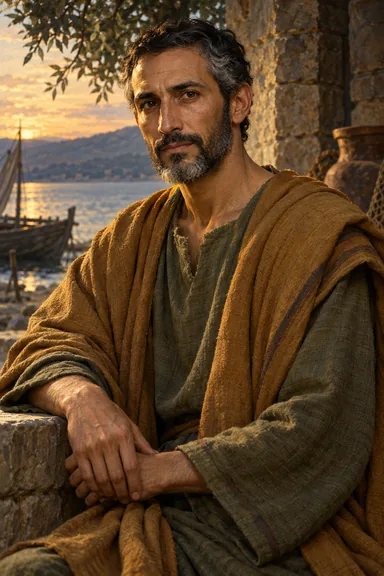
Artistic illustration · ImageGenArtistic interpretation; the historical likeness is unknown.
A JOURNEY THROUGH THE STORY
5 chapters. One journey.
Explore at your pace, or play the story to move between chapters every 12 seconds.
Artistic illustration · ImageGenArtistic imagination based on the account; not a reconstruction of events.
01 / 05Jesus’s ministry
Called from the tax booth
Scripture
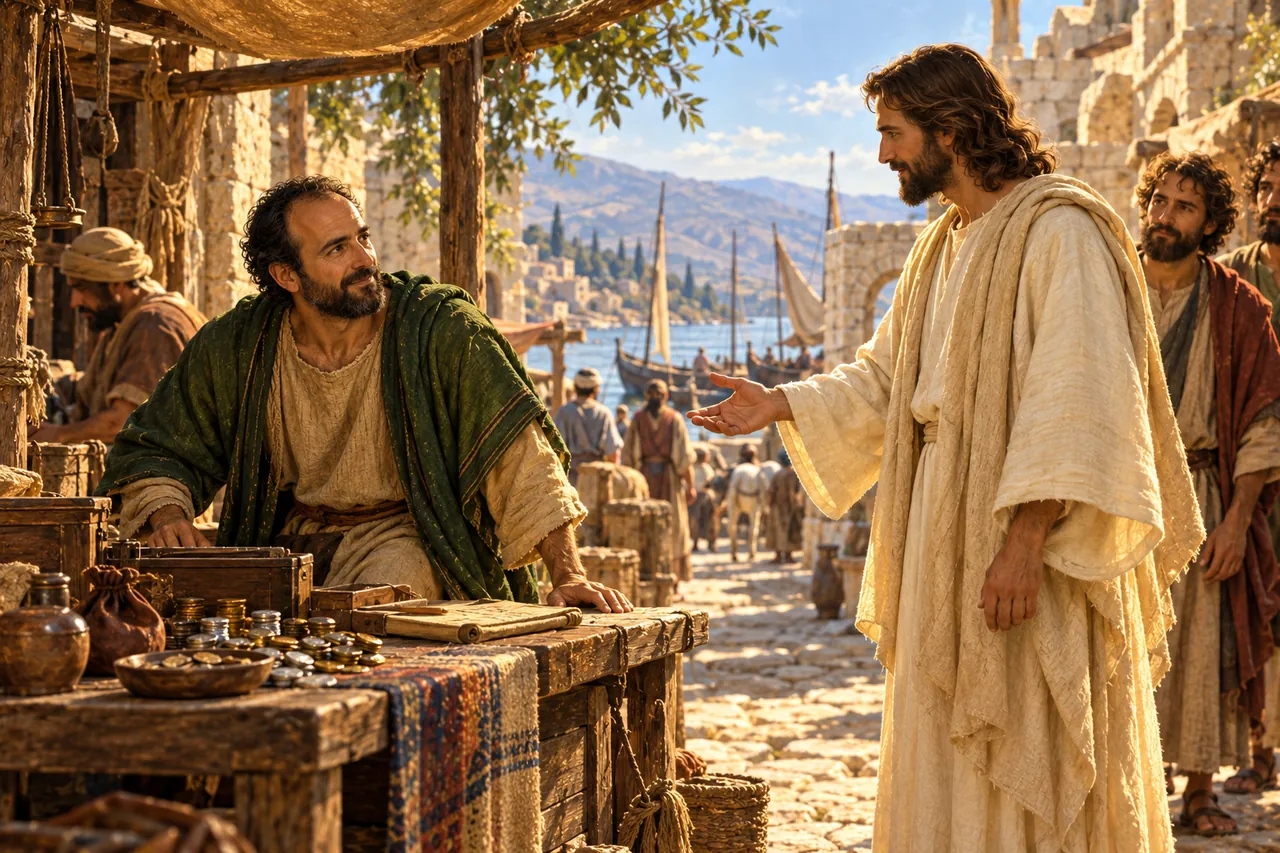
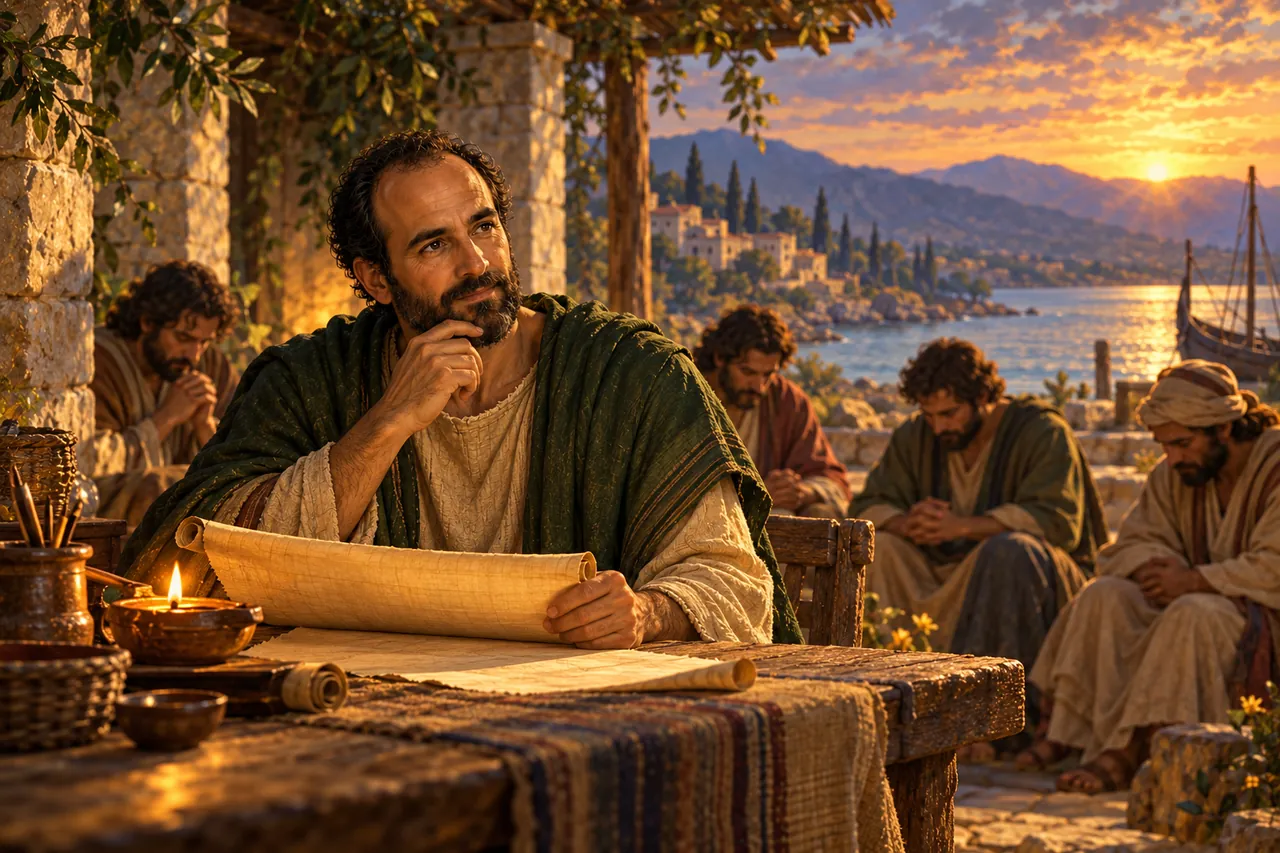
Matthew 9:9 tells of Jesus calling Matthew from the tax booth. Mark 2:14 names the figure in the parallel scene Levi son of Alphaeus. Tradition identifies them, but the different names remain visible so readers can trace the texts.
Artistic illustration · ImageGenArtistic imagination based on the account; not a reconstruction of events.
02 / 05Jesus’s ministry
A shared table and mercy
Scripture
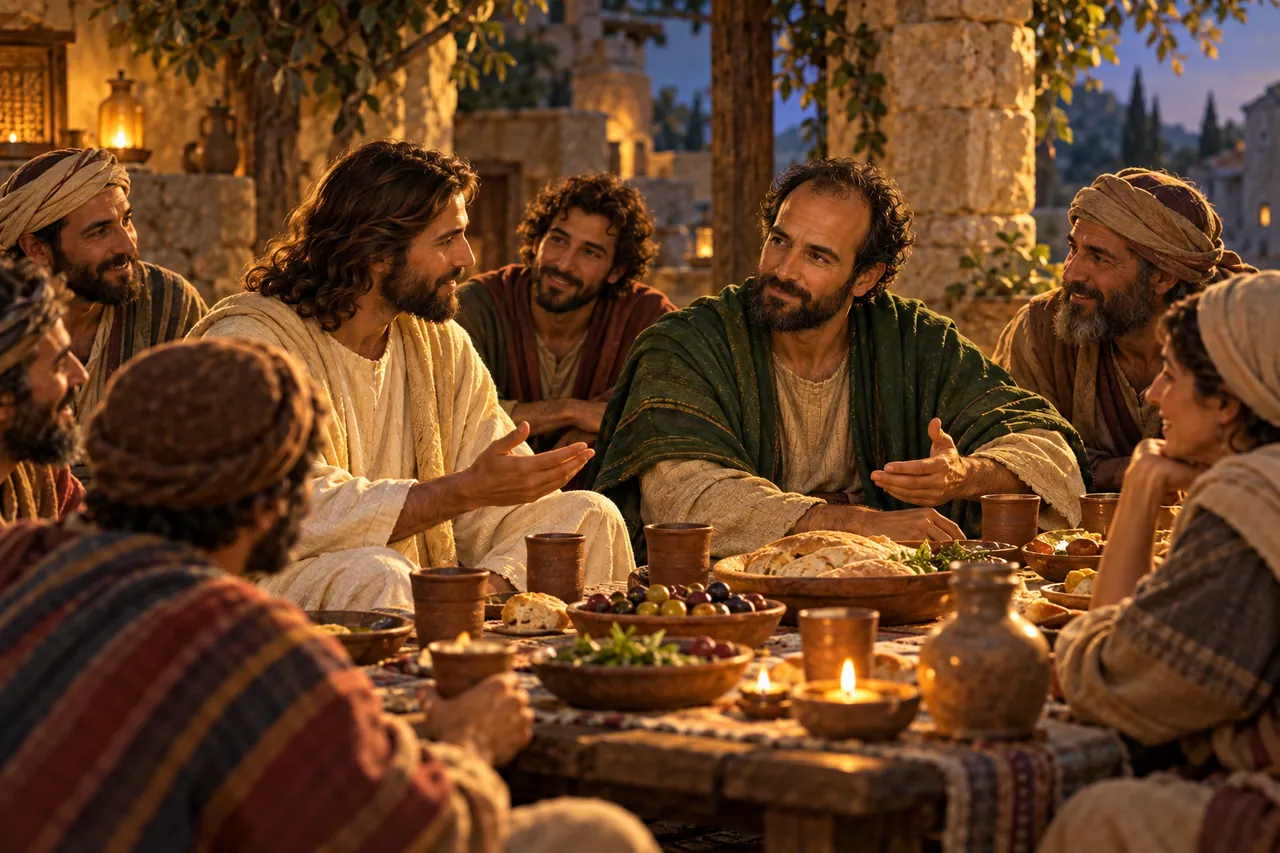
Matthew 9:10–13 portrays Jesus eating with tax collectors and people described as sinners. His answer to criticism emphasises mercy. Matthew’s calling belongs to a story of welcome requiring change, not approval of unjust tax practices.
Artistic illustration · ImageGenArtistic imagination based on the account; not a reconstruction of events.
03 / 05Jesus’s ministry
Sent with the Twelve
Scripture
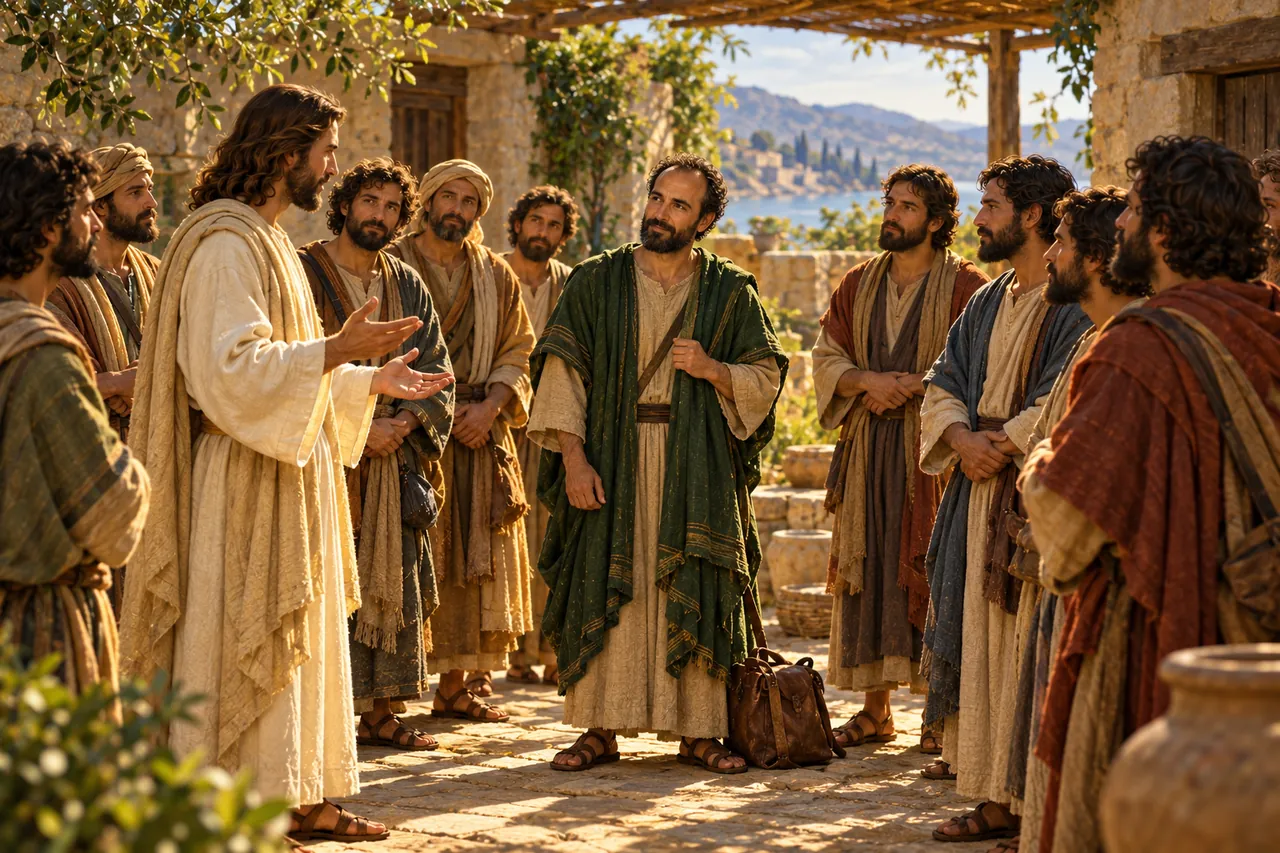
Matthew 10:1–4 names him among the apostles with the designation tax collector. The text retains that background after his calling. His commissioning with the others shows that the story does not end at leaving his former work.
Artistic illustration · ImageGenSymbolic illustration for tradition or uncertain details.
04 / 05Early Church and textual legacy
The early community and Gospel legacy
Tradition
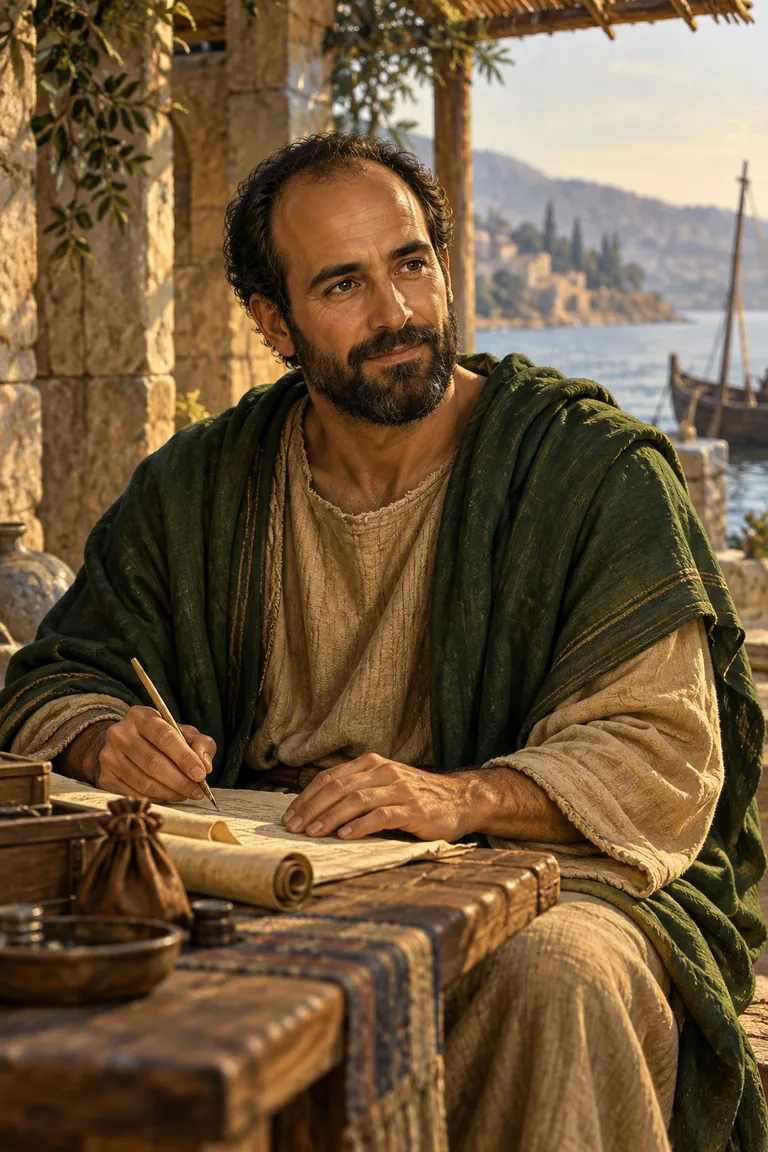
Acts 1:13 names Matthew among the apostles after the Ascension. Early Church tradition connects the first Gospel with him; Benedict XVI summarises Papias and Eusebius. This is an attribution history, not a complete record of how the present Greek Gospel was composed.
Artistic illustration · ImageGenSymbolic illustration for tradition or uncertain details.
05 / 05End of life · details uncertain
An incomplete death account, custody at Salerno
Tradition
Liturgical tradition connects Matthew’s end with Ethiopia, but the New Testament supplies no death account. This page does not establish the year, method or precise geography. Salerno’s archdiocese reports relics in its cathedral crypt; later custody history is read separately from reconstructing his death.
Jesus’s ministryArtistic illustration · ImageGenArtistic imagination based on the account; not a reconstruction of events.
Matthew 9:9 tells of Jesus calling Matthew from the tax booth. Mark 2:14 names the figure in the parallel scene Levi son of Alphaeus. Tradition identifies them, but the different names remain visible so readers can trace the texts.
Jesus’s ministryArtistic illustration · ImageGenArtistic imagination based on the account; not a reconstruction of events.
Matthew 9:10–13 portrays Jesus eating with tax collectors and people described as sinners. His answer to criticism emphasises mercy. Matthew’s calling belongs to a story of welcome requiring change, not approval of unjust tax practices.
Jesus’s ministryArtistic illustration · ImageGenArtistic imagination based on the account; not a reconstruction of events.
Matthew 10:1–4 names him among the apostles with the designation tax collector. The text retains that background after his calling. His commissioning with the others shows that the story does not end at leaving his former work.
Early Church and textual legacyArtistic illustration · ImageGenSymbolic illustration for tradition or uncertain details.
Acts 1:13 names Matthew among the apostles after the Ascension. Early Church tradition connects the first Gospel with him; Benedict XVI summarises Papias and Eusebius. This is an attribution history, not a complete record of how the present Greek Gospel was composed.
End of life · details uncertainArtistic illustration · ImageGenSymbolic illustration for tradition or uncertain details.
Liturgical tradition connects Matthew’s end with Ethiopia, but the New Testament supplies no death account. This page does not establish the year, method or precise geography. Salerno’s archdiocese reports relics in its cathedral crypt; later custody history is read separately from reconstructing his death.
Identifying Matthew with Levi follows the traditional reading of parallel accounts. Gospel attribution is Church tradition, not discovery of an autograph manuscript. Ancient geographical names and feast dates do not establish a modern location or exact death date.
PRESENT-DAY LOCATIONS
Relics and places of remembrance
These attributions follow site custodians, not biological testing of identity. The locations are a selection, not an inventory of all fragments.
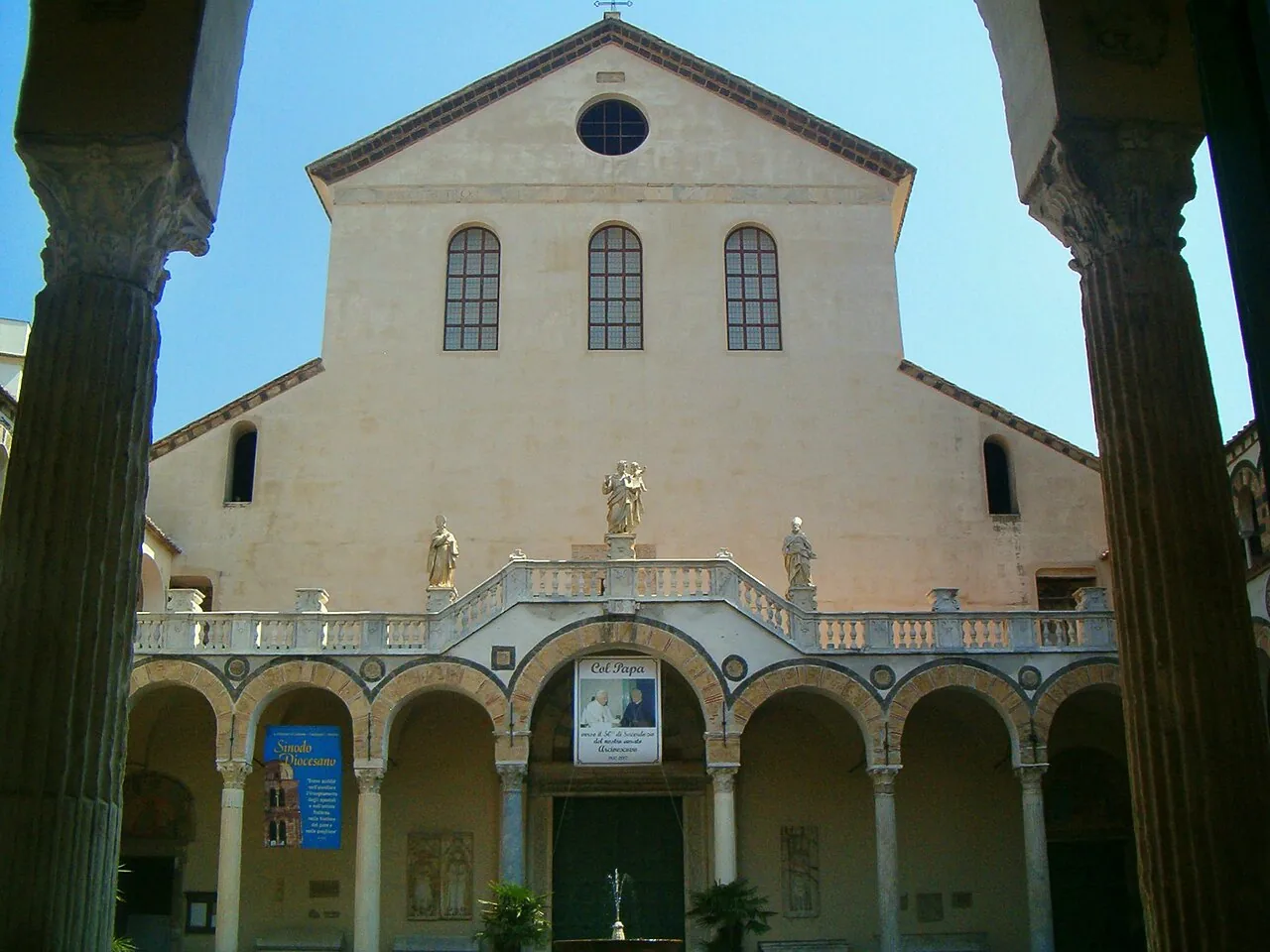
The façade of Salerno Cathedral. Saint Matthew’s crypt is within the cathedral complex shown from the exterior here.
The archdiocese identifies the cathedral crypt as the repository of Matthew’s relics. Its history records their deposition in March 1081; the current altar and interior largely reflect early-seventeenth-century rebuilding. Veneration and custody history document local tradition, not a biological identification performed by this website.